Here we will bring you a new twist on Odyssey planning. If you’ve ever done an Odyssey Plan — the idea popularized by the book Designing Your Life — you know the concept: imagine three possible versions of your life. Maybe one where you stay in your current job, one where you pivot careers, and one where you move across the country and start over.
It’s a powerful exercise — but it focuses almost entirely on what your life looks like on the outside.
What if we reimagined Odyssey Planning to focus on who you are on the inside?
Instead of asking What kind of life do you want to have? ask: What kind of person do you want to be?
Odyssey Planning — The Odyssey of Character
The truth is that we carry our happiness — and our unhappiness — with us. We can move to a new city or start a new relationship, but we are the same person with the same thought patterns and habits.
We often convince ourselves that a better schedule, better partner, or better paycheck will change everything. But when the excitement wears off, we realize we’ve brought ourselves with us — including the same impatience and anxiety that has been there all along.
Outer change doesn’t always mean inner change.
That’s why the most interesting question isn’t, Where do I want to go next? It’s, Who am I becoming while I go there?
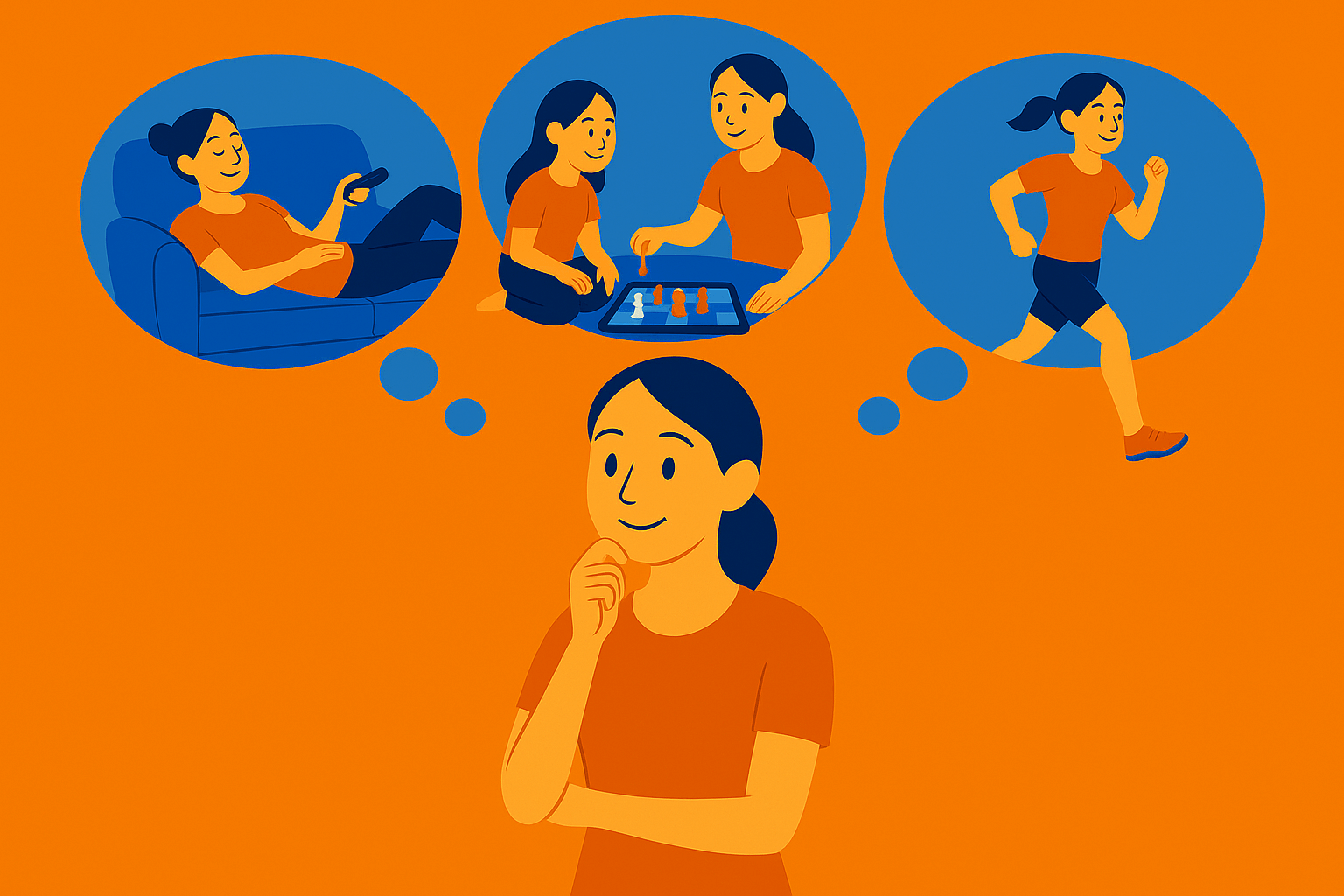
So instead of sketching out three different lives, try sketching out three different versions of yourself.
This exercise isn’t about what you own, where you live, or who you marry. It’s about how you show up.
Odyssey Planning Three Versions of You
Let’s imagine a few versions of you — and these are just examples.
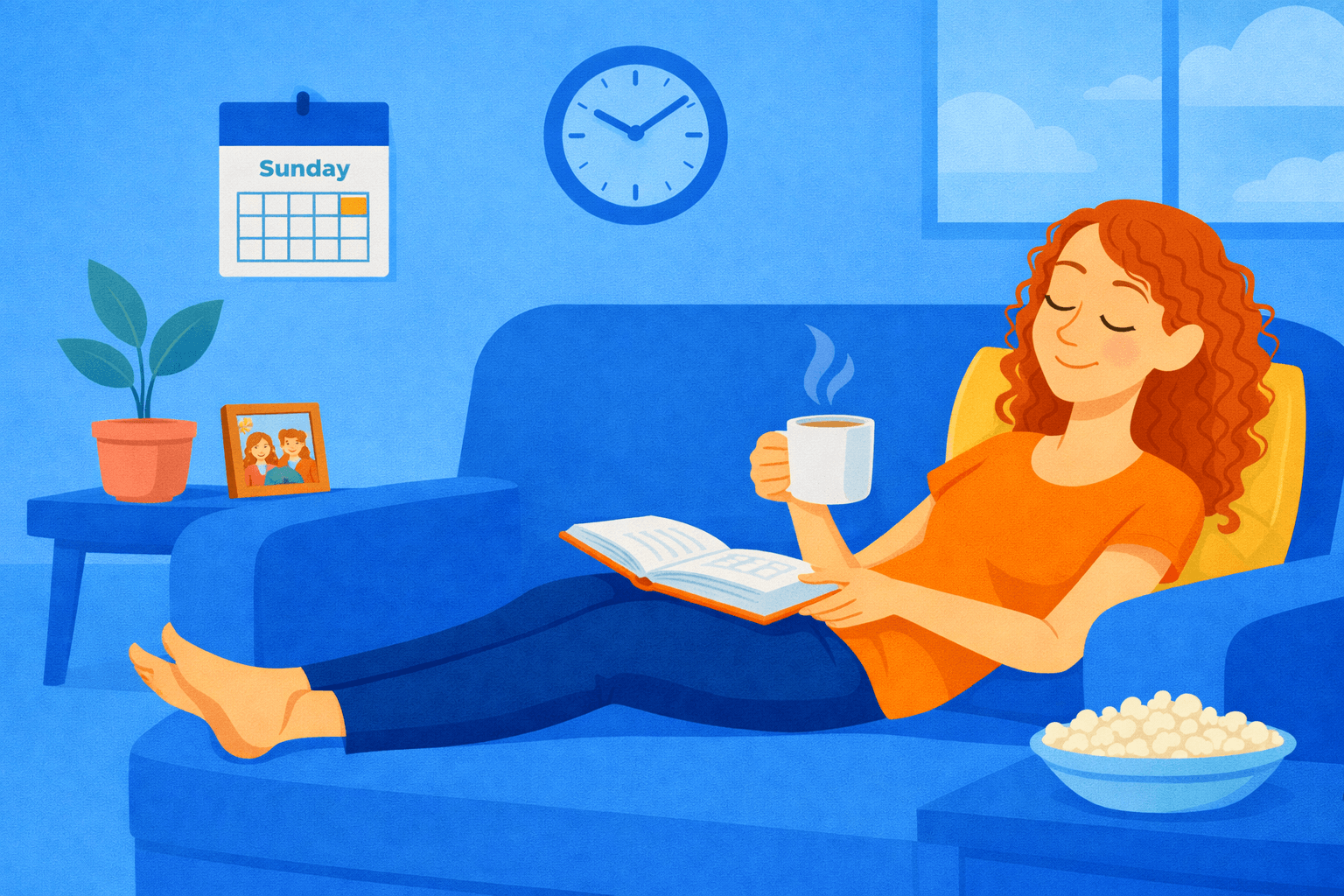
Person A: stays mostly as you are now. Works hard, but doesn’t go the extra mile. Keeps to yourself. Feels tired most days. Gets irritated easily. Exercises occasionally, but inconsistently. Enjoys a glass of wine every night and lives for weekends to rest. Life is fine — not bad, not thrilling, just fine.
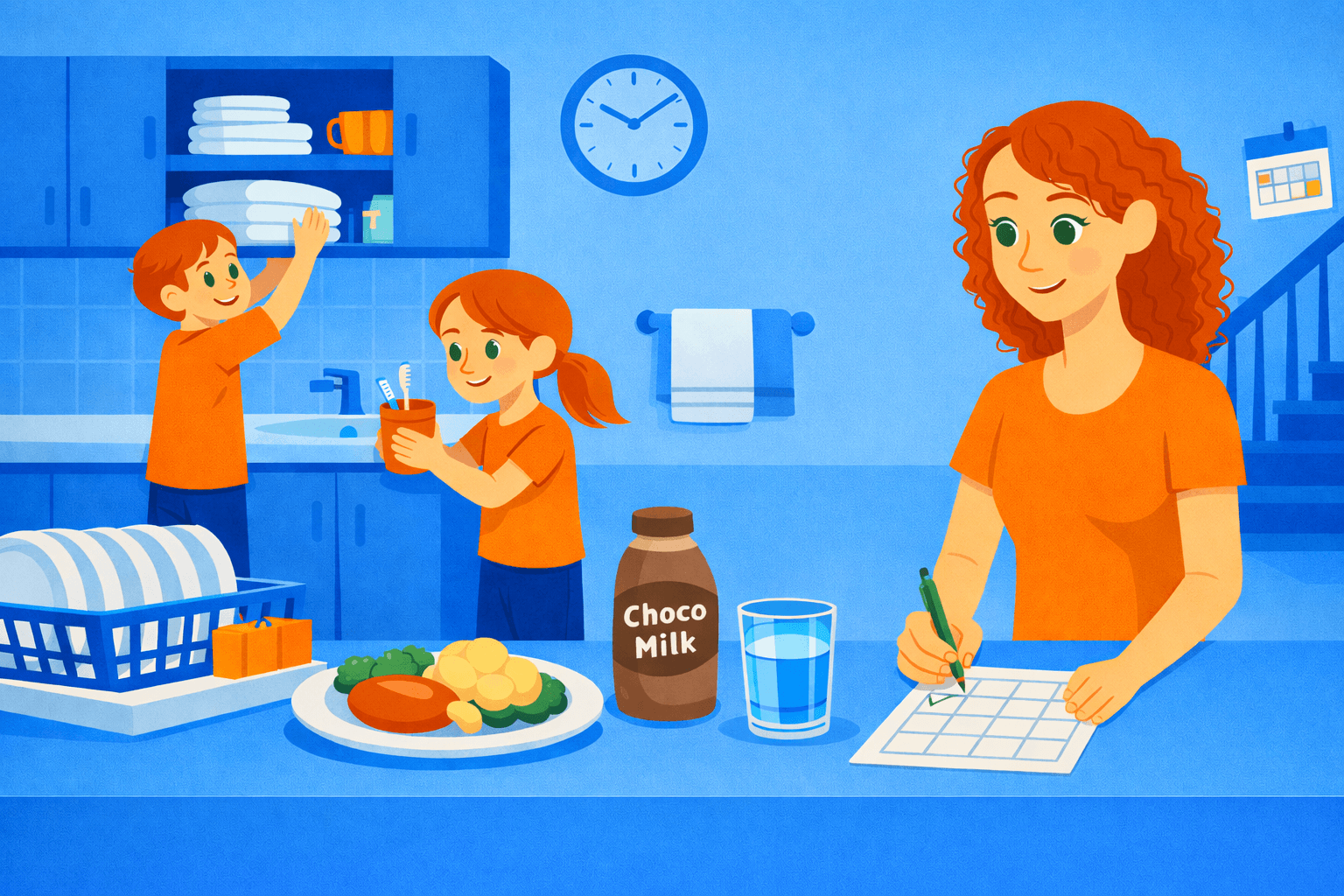
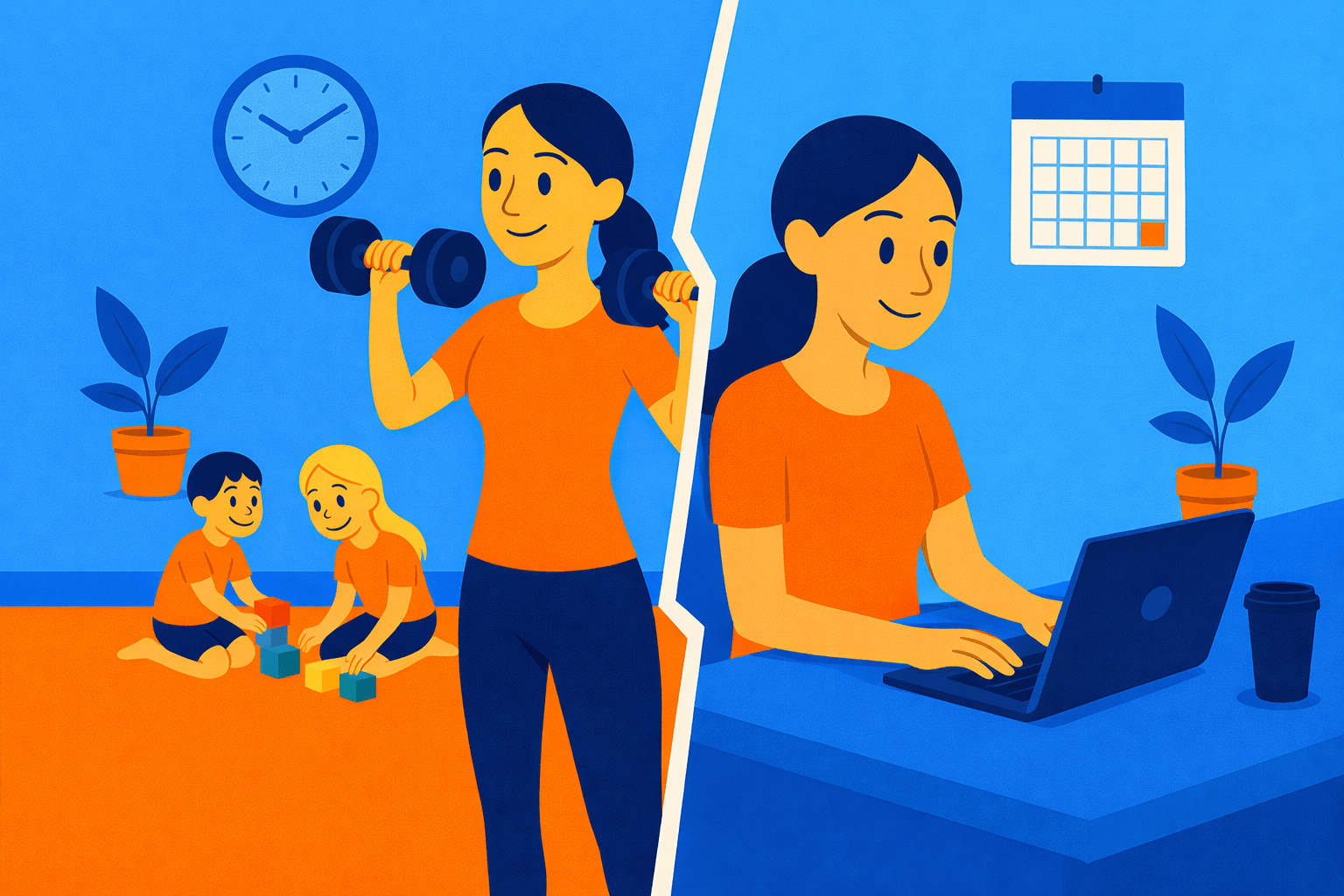
Person B: intentionally builds small habits that align with long-term peace — regular exercise, more family time, better nutrition. They develop an amazing 5-9 routine. They are still quiet and grounded but more energized, more present, and less reactive.
Person C: takes it up a notch. Runs several miles a day. Says yes to uncomfortable things. Organizes gatherings. Travels. Becomes the person who makes life happen instead of watching it happen.
But you could also frame it differently:
- Maybe Person B is more confident — she speaks up in meetings instead of replaying what she should’ve said later.
- Maybe Person C is more joyful — she laughs easily, makes small talk with strangers, and stops worrying about what people think.
- Maybe one version of you mentors others, volunteers, or builds something new.
- Maybe another version slows down, lets go of perfectionism, or chooses calm instead of control.
There’s no right answer.
You’re not deciding which version is “better.” You’re simply noticing how different your life feels depending on which habits and mindset you practice daily.
Your Habits Create Your Identity
You don’t wake up one morning as “Person C.” You practice your way there.
Small habits build big shifts. Maybe you make it a point to go to the gym every day, learn tips to become more assertive, or practice journaling to quiet your brain before your kids get up.
Every day, you are rehearsing the kind of person you will become. Whether you mean to or not.
The Myth of Happiness Elsewhere
One way that traditional “Odyssey planning” falls short is that it assumes happiness exists somewhere outside of us. There is nothing wrong with envisioning a totally different life for yourself. But happiness can be found within us at any time, even if we do not move across the country or take any dramatic steps.
People also are often wrong about what will make them happy. For example, many dream of early retirement. And then when they retire, they find themselves bored and clamoring to work again. Chasing external sources of happiness is a futile mission.
That’s because the external world doesn’t change your internal wiring.
If you’re restless, impatient, or self-critical now, you’ll bring that with you — no matter where you go.
That’s why this exercise matters. It’s not about what you do next; it’s about who you’ll be when you do it.
You can move across the country, change careers, or start over completely — but if your thought patterns are the same, your experience will eventually feel the same too.
So instead of asking, What life will make me happy? ask:
Can I become the kind of person who is happy wherever I am?
Odyssey Planning — Design Your Inner Odyssey
Here’s how to try this:
- Write out Person A — the default you. If nothing changes, who are you becoming?
- Write Person B — the slightly better version, grounded in realistic habits and values.
- Write Person C — your boldest, most fully expressed self.
- For each, list the daily habits that version of you practices. (What does she do in the morning? How does she spend her time? How does she speak to others? How does she treat herself?)
- Then ask: Which version of me am I practicing right now?
The goal isn’t to chase a perfect version of yourself. It’s to become intentional about the direction you’re facing.
Because whether you realize it or not, you’re always becoming someone.
And you don’t need a new life to change that. You just need a new way of being in the one you already have.